


French and based in Vancouver since 2014, Julien Mainguy is the co-founder of Best of France. Passionate about the cultural difference between Canada and Europe, he is leading numerous projects to create awareness, help people grow, and bring communities together.


A Village That Defies Logic
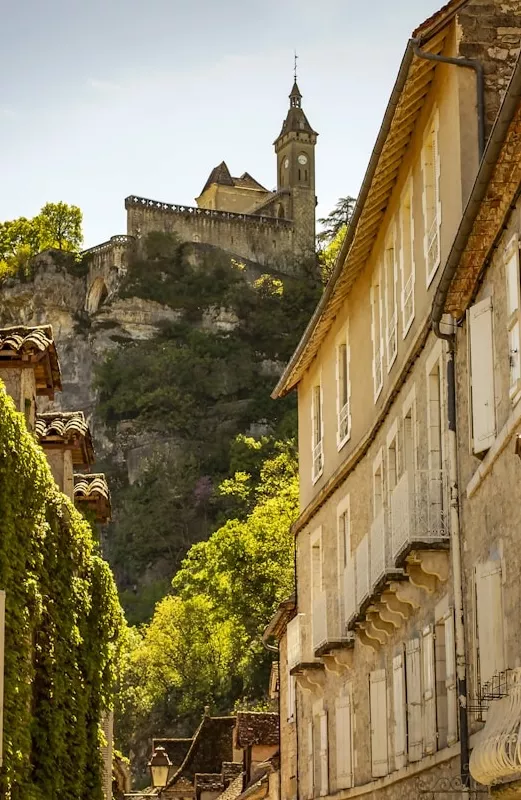
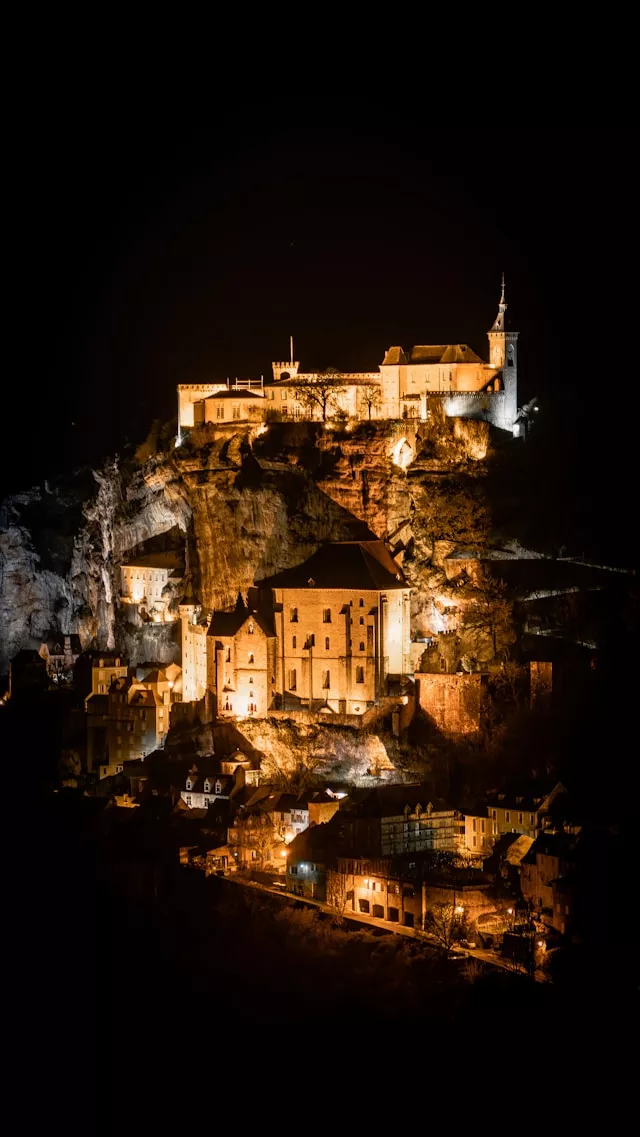
Rocamadour appears suddenly to travelers winding through the Dordogne countryside—a vertical medieval village stacked impossibly against a 150-meter limestone cliff that seems to defy every law of gravity and common sense. Buildings cling to rock faces at angles that appear structurally impossible, creating one of the most photographed and unforgettable sights in all of France.
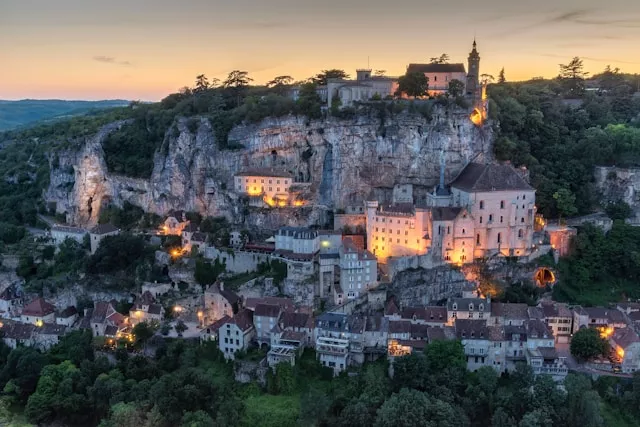
This isn't merely a picturesque village—Rocamadour ranks as France's second-most visited site outside Paris, drawing over 1.5 million visitors annually. Yet unlike many tourist magnets that disappoint upon arrival, Rocamadour exceeds expectations. The reality of standing beneath these gravity-defying buildings, climbing the historic pilgrimage stairs, and witnessing panoramic views across the Alzou Canyon creates experiences that photographs barely capture.
The village's three distinct levels stack vertically against the cliff: the medieval village at the base, the sacred sanctuary level accessed by the famous Grand Escalier (Great Stairway), and the château fortress crowning the summit. This unique vertical organization wasn't an aesthetic choice but a practical necessity born from centuries of pilgrimage, defense, and devotion.
A Thousand Years of Pilgrimage
Rocamadour's story begins with mystery and miracle. According to legend, the perfectly preserved body of Saint Amadour was discovered here in 1166, buried near a small chapel that had attracted devotees for centuries. The medieval mind interpreted this miraculous preservation as divine validation, transforming Rocamadour overnight into one of Christianity's most important pilgrimage destinations.
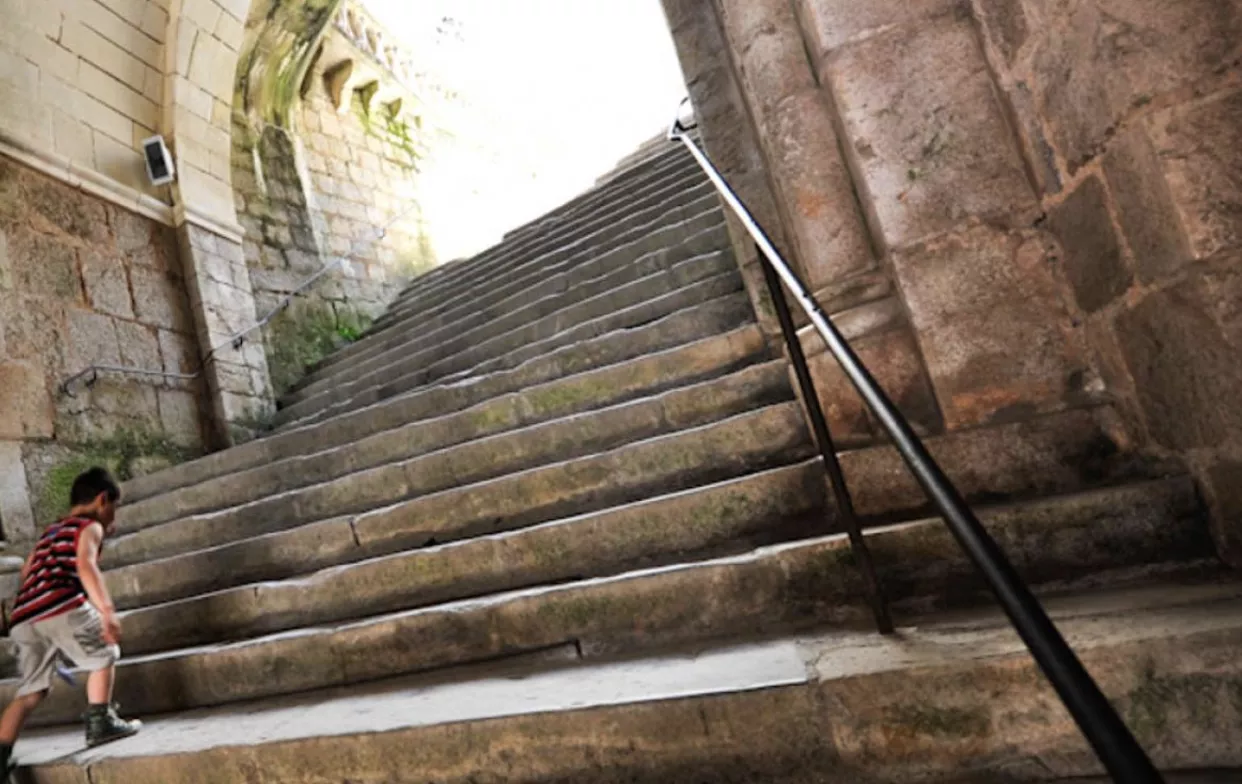
During the Middle Ages, Rocamadour attracted pilgrims from across Europe including kings, queens, and saints. Henry II of England made the arduous journey, as did Saint Dominic, Saint Bernard, and countless anonymous believers seeking miracles, penance, or spiritual renewal. The pilgrimage tradition required climbing the 216 steps of the Grand Escalier on one's knees—a practice some devout visitors still observe today.
The Black Madonna housed in the Chapelle Notre-Dame became the focus of intense devotion. This small wooden statue, darkened by centuries of candle smoke and votive offerings, was believed to perform miracles—protecting sailors, healing the sick, and interceding for desperate souls. Sailors from across Europe made pilgrimage vows to "Our Lady of Rocamadour" when facing storms at sea, promising to climb the steps if spared.
The pilgrimage route to Rocamadour connected with the Camino de Santiago, making the village a vital stop for pilgrims traveling to Santiago de Compostela. This position on major pilgrimage networks brought continuous traffic, wealth, and cultural exchange that shaped Rocamadour's development for centuries. Learn more about France's pilgrimage heritage at France's official tourism site.
The Sacred Sanctuary Level
The sanctuary level—accessed via the Grand Escalier or modern elevators for those unable to climb—contains seven churches and chapels built directly into the cliff face. This sacred precinct, where rock becomes architecture and architecture merges with rock, creates spaces unlike any other religious complex in France.
[IMAGE: Interior of the Chapelle Notre-Dame showing the famous Black Madonna statue above the altar, ex-voto offerings hanging from walls and ceiling, candlelight creating atmospheric shadows]
The Chapelle Notre-Dame (Chapel of Our Lady) houses the miraculous Black Madonna. The tiny chapel, carved partially from living rock, drips with ex-voto offerings—model ships, chains, plaques, and objects left by grateful pilgrims over centuries. These offerings, covering walls and hanging from the ceiling, create a powerful material testimony to devotion spanning generations. Above the entrance, a medieval sword called Durandal—legendary blade of Roland, Charlemagne's nephew—supposedly remains embedded in the rock, placed there by the dying hero according to medieval legend.
[IMAGE: The Basilique Saint-Sauveur with its Romanesque architecture, showing the carved portal, stone walls, and bell tower integrated into the cliff]
The Basilique Saint-Sauveur (Basilica of the Holy Savior), built in the 12th-13th centuries, represents Romanesque architecture at its most dramatic. The basilica backs directly against the cliff, with portions of the building actually carved from the limestone face. Inside, the atmosphere remains cool and hushed even during peak tourist season, the thick stone walls and cliff backing creating natural acoustic properties that enhance sung prayers and chanted offices.
The Crypte Saint-Amadour lies beneath the basilica, containing what believers hold as the saint's original tomb. This underground chapel, atmospheric and dimly lit, maintains an aura of mystery and ancient devotion. The crypt's rock-carved spaces feel primordial, connecting visitors to the earliest centuries of Christian worship in this sacred place.
Additional chapels dedicated to Saint Michel, Saint Jean-Baptiste, and other saints complete the sanctuary complex. Each chapel served specific devotions and pilgrim groups, creating a sacred city in miniature stacked vertically against the cliff. The Musée d'Art Sacré (Museum of Sacred Art) displays religious treasures, medieval manuscripts, and artifacts that illuminate Rocamadour's pilgrimage history.
The Medieval Village
At the cliff's base, the single main street (Rue de la Couronnerie) winds through the medieval village where pilgrims once found lodging, provisions, and services. Today this pedestrian-only street has evolved into a concentrated tourist district, but the medieval bones remain visible beneath modern shops and restaurants.
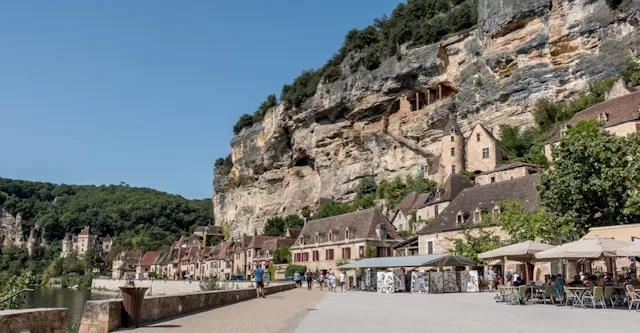
Stone houses dating to the 14th and 15th centuries line the street, their thick walls and small windows reflecting medieval construction techniques. Many buildings incorporate the cliff itself as their back wall, creating structures that are part architecture, part cave. This intimate relationship between built and natural environment defines Rocamadour's unique character.
Historical gates mark the entrances to the medieval village—the Porte du Figuier (Fig Tree Gate) and Porte Salmon remain from original fortifications that protected pilgrims and residents. Walking through these ancient gateways provides tangible connection to centuries of travelers who passed beneath these same stones seeking miracles and salvation.
Despite inevitable commercialization, the village maintains authentic medieval atmosphere. The limestone buildings, narrow passages, and vertical organization create spaces that modern development couldn't replicate. Evening, after day-trippers depart, reveals the village's true character when golden light bathes the cliff face and the sounds of the canyon return.
The Château and Summit Views
Crowning Rocamadour's cliff, the fortified château served dual purposes: protecting the sanctuary from above while providing final refuge during attacks. Today's structure dates primarily to the 14th century, though fortifications occupied this strategic position for centuries earlier.
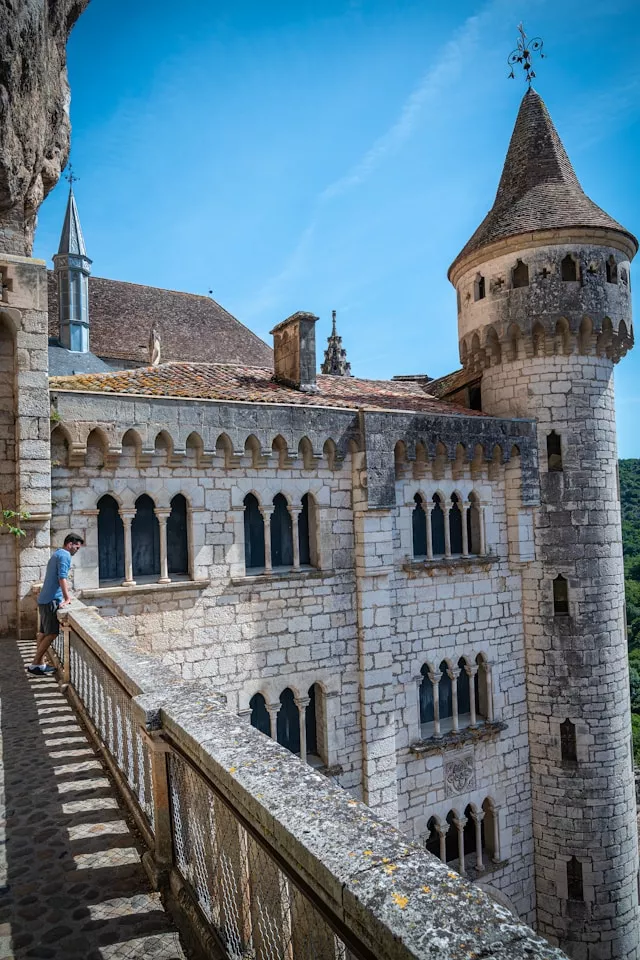
The climb to the château—whether via the Chemin de Croix (Way of the Cross) pathway with its 14 stations or the more direct stairs—rewards with spectacular 360-degree views. The Alzou Canyon spreads below, its green valley contrasting with the pale limestone causses (plateaus) stretching to distant horizons. From this height, Rocamadour's improbable vertical layout becomes fully apparent.
The château's defensive ramparts allowed defenders to protect the sanctuary from above. During the Wars of Religion in the 16th century, Rocamadour suffered attacks from both Catholic and Protestant forces, each viewing the pilgrimage site as strategically and symbolically important. The château's surviving fortifications testify to these turbulent centuries when faith and warfare intersected violently.
Modern visitors access the château via elevator from the sanctuary level or by climbing—a third vertical journey for those who've already ascended from village to sanctuary. The effort proves worthwhile for views that rank among France's most memorable, particularly at sunset when the limestone glows golden and shadows lengthen dramatically across the canyon.
The Natural Setting: Causses and Canyon
Rocamadour's dramatic appearance owes everything to its geological setting in the Causses du Quercy, a limestone plateau region carved by rivers into spectacular canyons and gorges. The Alzou River, though small, has spent millennia cutting through limestone, creating the vertical cliff that made Rocamadour possible.
[IMAGE: The Alzou Canyon and surrounding Causse landscape showing the characteristic limestone plateau, sparse vegetation, and dramatic erosion features]
The Causses du Quercy Regional Natural Park surrounds Rocamadour with protected landscapes that showcase the region's distinctive ecology and geology. These limestone plateaus, dotted with dolmens, gouffres (sinkholes), and medieval villages, provide extensive hiking and cycling opportunities. The park's designation helps preserve traditional land uses—sheep grazing, truffle cultivation, and dry-stone architecture—that have shaped the landscape for centuries. Explore more about this unique natural region at the Causses du Quercy park website.
L'Hospitalet, the village crowning the cliff opposite Rocamadour, offers the most famous viewpoint for photographs. From the belvedere, the entire vertical village appears in single frame—the perfect introduction before descending into the canyon for closer exploration. This viewpoint becomes crowded during peak season, but sunrise or late afternoon lighting creates optimal conditions for photography.
The canyon's microclimate creates habitats for rare plant species and birds including peregrine falcons that nest on cliff faces. The limestone's porous nature creates underground rivers and caves, including the nearby Grotte des Merveilles (Cave of Wonders) with its prehistoric paintings and remarkable formations.
The Gouffre de Padirac: Underground Wonder
Just 15 kilometers from Rocamadour, the Gouffre de Padirac offers one of Europe's most spectacular underground experiences—a natural complement to Rocamadour's above-ground drama. This enormous sinkhole (103 meters deep, 35 meters wide) provides access to a vast underground river system carved through limestone over millions of years.
[IMAGE: The entrance to Gouffre de Padirac showing the enormous circular sinkhole opening with stairs descending into darkness, visitors for scale]
Visitors descend via stairs or elevator into the chasm, then board flat-bottomed boats for underground river journeys past towering rock formations, crystalline lakes, and caverns of cathedral-like proportions. The Grande Pendeloque, a 60-meter stalactite hanging like a frozen waterfall, represents one of many geological marvels in this subterranean world.
The combined visit to Rocamadour and Padirac—one vertical village clinging to cliff faces, the other descending into the earth's depths—provides contrasting perspectives on how limestone geology and human ingenuity create extraordinary places. Many visitors combine both sites in a single day, though each deserves several hours for proper appreciation. Book tickets in advance through the official Padirac website during peak season.
Culinary Traditions of the Lot
Rocamadour's position in the Lot department places it within a region famous for distinctive culinary traditions that blend influences from the Dordogne, Périgord, and Quercy. Local restaurants showcase regional specialties that provide delicious context for understanding the landscape and culture.

Rocamadour cheese shares the village's name, though production occurs throughout the surrounding area rather than within the village itself. This small, flat goat cheese protected by AOC designation has been produced here since the 15th century. The cheese's distinctive character comes from local goats grazing the causses' sparse vegetation—thyme, juniper, and wild grasses that impart subtle flavors to milk and cheese. Rocamadour cheese appears on every local menu, served warm over salad, drizzled with honey and walnuts, or enjoyed simply with crusty bread.
Cabécou, another regional goat cheese, appears in various preparations. Cabécou chaud (warm cabécou) over salad greens has become a signature starter in local restaurants, the slightly melted cheese providing creamy contrast to bitter lettuces and tangy vinaigrette.
Confit de canard (duck leg preserved in its own fat), foie gras, and magret de canard (duck breast) reflect the region's duck-raising traditions. The Lot's numerous duck farms supply restaurants with the luxurious ingredients that define southwestern French gastronomy. For insights into French duck cuisine, visit our article on French food delicacies.
Truffles from the Causse forests appear on autumn and winter menus, though at premium prices reflecting their rarity. Walnut oil pressed from local orchards seasons salads and vegetables with distinctive nutty richness. Cahors wine from vineyards 50 kilometers south—deeply colored, tannic reds made from Malbec grapes—pairs perfectly with regional cuisine's rich flavors.
Practical Visitor Information
Rocamadour's extreme popularity requires strategic planning, particularly during peak season (July-August) when the narrow village and sanctuary spaces become overwhelmed with visitors. Understanding logistics transforms potential frustration into smooth experiences.

Parking operates on multiple levels. Cars cannot enter the medieval village, so visitors park in designated lots: P1 near L'Hospitalet at the top, P2 mid-level near the château, or lower lots near the valley floor. Elevator systems connect the parking levels, reducing the need for stair climbing (though stairs remain the traditional and more atmospheric route). Parking fees apply, with rates varying by season and location.
Visit timing dramatically affects experience quality. Arriving before 10 AM or after 4 PM avoids peak crowds. September and October offer ideal conditions—warm weather, autumn colours, harvest season foods, and manageable visitor numbers. May and June provide similar advantages with spring wildflowers and longer daylight hours.
Winter visits (November-March) reveal Rocamadour's contemplative character without summer crowds. Many shops and restaurants close or reduce hours, but the sanctuary remains accessible for those seeking spiritual atmosphere over tourist bustle. The cliff face catches dramatic winter light, and the possibility of snow creates magical atmospheres.
Overnight stays transform the experience. Once day-trippers depart, Rocamadour's true character emerges. Several hotels occupy historic buildings within the medieval village, including the Hôtel Beau Site offering rooms with cliff and valley views. Chambres d'hôtes (B&Bs) in surrounding villages provide quieter alternatives with authentic local hospitality and often better value.
The tourist office at the village entrance provides excellent maps, information about guided tours, and current details on church service times for those wishing to attend mass in the historic sanctuary. English-speaking staff help navigate logistics and recommend additional regional sites.
The Pilgrimage Experience Today
While tourism dominates modern Rocamadour, the pilgrimage tradition continues with active religious practice coexisting alongside secular sightseeing. The sanctuary churches host regular masses, and the Chemin de Saint-Jacques (Way of Saint James) still brings pilgrims walking to Santiago de Compostela.
[IMAGE: A modern pilgrim with walking stick and scallop shell badge climbing the Grand Escalier, showing the continuation of centuries-old pilgrimage traditions]
The sanctuaries remain active worship spaces, not merely monuments. Visitors are expected to maintain respectful behavior—appropriate dress, quiet voices, and awareness that for many, these spaces hold deep spiritual significance. The contrast between religious devotion and tourist cameras creates occasional tension, but most visitors intuitively adjust their behaviour to the sacred atmosphere.
The Black Madonna continues attracting devotees who leave prayers, light candles, and seek intercession. Fresh flowers appear regularly before the statue, and the ex-voto offerings still accumulate, though regulations now limit what can be left. This living tradition, unbroken across nearly a millennium, provides rare continuity in rapidly changing times.
Pilgrim accommodations and services still exist, though reduced from medieval abundance. Those walking the Camino can find donativo (donation-based) lodging and meals through pilgrimage networks, maintaining medieval hospitality traditions adapted to modern circumstances.
Regional Exploration Base
Rocamadour's central position in the Lot makes it an excellent base for exploring a region rich in medieval villages, prehistoric sites, and natural beauty. Day trips reveal landscapes and destinations that provide context for understanding Rocamadour's historical importance and geographical situation.
Saint-Cirq-Lapopie, voted France's favorite village in 2012, perches on cliffs above the Lot River 50 kilometers away. This perfectly preserved medieval village of stone houses and artisan workshops offers less vertical drama than Rocamadour but equal charm and considerably fewer crowds.
Cahors, the Lot's capital, warrants visits for its Pont Valentré—a spectacular fortified bridge spanning the Lot River with three defensive towers. The city's medieval quarter, cathedral, and position as capital of Cahors wine country provide full-day exploration opportunities.
Carennac, Autoire, and Loubressac—beautiful villages designated among France's Plus Beaux Villages—lie within 30 minutes' drive. Each offers distinctive character while maintaining the stone architecture and medieval layouts that define the region.
The Pech Merle Cave, 40 kilometers away, contains some of Europe's most important prehistoric art—spotted horses, handprints, and geometric designs created 25,000 years ago. Unlike the famous Lascaux caves (now closed or replicated), Pech Merle allows limited visitors into authentic painted chambers.
Why Rocamadour Endures
After a millennium, Rocamadour continues captivating visitors for reasons both obvious and subtle. The immediate visual impact—buildings defying gravity, sanctuary carved from cliff, château crowning the vertical ensemble—creates lasting impressions before you've climbed a single step.
But Rocamadour offers more than spectacular views. The accumulated weight of a thousand years of devotion, millions of pilgrims' prayers, and continuous human presence in this unlikely place creates atmospheres that photographs cannot capture. Standing in the dim Chapelle Notre-Dame surrounded by ex-votos, or climbing the Grand Escalier where countless knees have worn hollows in stone steps, connects you tangibly to vast spans of human faith and striving.
The village demonstrates how geography shapes destiny. Without the cliff, there would be no sanctuary, no pilgrimage, no miracle-working Black Madonna drawing Europe's medieval faithful. The limestone causses that made the cliff possible also created the sparse, challenging landscape that shaped regional culture, cuisine, and character.
Modern Rocamadour balances competing demands of religious site, tourist attraction, and living community. It succeeds more gracefully than many similar places, maintaining authenticity while accommodating visitors who ensure the village's economic survival. The result remains one of France's most remarkable destinations—a place where natural drama, architectural audacity, and spiritual aspiration combine in a vertical ensemble that seems almost impossible, yet has endured for centuries.
For more information about planning your visit and current conditions, consult the official Rocamadour tourism website.