


French and based in Vancouver since 2014, Julien Mainguy is the co-founder of Best of France. Passionate about the cultural difference between Canada and Europe, he is leading numerous projects to create awareness, help people grow, and bring communities together.


The Unexpected Northern Gem
Lille rarely tops travelers' French destination lists, overshadowed by Paris, Lyon, and sun-soaked southern cities. Yet this oversight represents opportunity—France's fourth-largest city offers world-class cultural attractions, exceptional cuisine, stunning architecture, and genuine warmth without the crowds and inflated prices plaguing more famous destinations.
The city's unique character stems from its position at the crossroads of French and Flemish cultures. Lille spent centuries under Burgundian and Spanish rule before becoming definitively French in 1667. This complex history created a hybrid identity visible in baroque guild houses painted cheerful colors, locals who greet strangers warmly rather than with Parisian reserve, and cuisine that marries French refinement with Flemish heartiness.

Modern Lille pulses with energy thanks to its large student population (over 110,000 at multiple universities), strategic position one hour from Paris by high-speed train, and successful transformation from industrial city to cultural capital. The 2004 European Capital of Culture designation accelerated urban renewal that preserved historic character while embracing contemporary dynamism.
Vieux-Lille: Baroque Beauty
The Vieux-Lille (Old Lille) enchants with narrow cobblestone streets lined with 17th and 18th-century Flemish buildings painted in ochre, salmon, and brick-red hues. Unlike many preserved historic quarters that feel museum-like, Vieux-Lille thrives with boutiques, galleries, cafés, and restaurants occupying centuries-old structures that local residents actually inhabit.

The neighbourhood's irregular medieval street pattern rewards aimless wandering. Rue de la Monnaie features particularly beautiful facades and high-end boutiques. Rue Esquermoise bustles with shops and cafés popular with locals. Hidden courtyards accessed through archways reveal quiet gardens and residential spaces invisible from the street.
Rue Royale connects Vieux-Lille to the city center, its elegant 18th-century townhouses reflecting the wealth generated during Lille's commercial golden age. Many buildings now house government offices, cultural institutions, or converted luxury apartments, their restored facades showcasing neoclassical French architecture contrasting with the Flemish baroque elsewhere in the old town.
The Hospice Comtesse, founded in 1237 by Countess Jeanne de Flandre, operates as a museum showcasing Flemish life from the 15th through 18th centuries. The building itself—a beautifully preserved medieval hospital with painted wooden ceilings, Delft tiles, and period furnishings—provides atmospheric immersion in Lille's Flemish heritage. The tranquil interior courtyard offers respite from busy streets.
The Grand Place: Heart of the City
The Place du Général-de-Gaulle (commonly called Grand Place) functions as Lille's living room—a vast square where locals meet, tourists marvel, and the city's Flemish-French duality manifests architecturally. The square hosts markets, festivals, and the annual Braderie de Lille, Europe's largest flea market attracting millions each September.

The Vieille Bourse (Old Stock Exchange), built 1652-1653, represents Flemish Renaissance architecture at its most ornate. Twenty-four identical houses surround a central courtyard, each facade dripping with carved caryatids, fruit garlands, and decorative details. Today the courtyard hosts used book dealers and chess players, creating an atmospheric marketplace that continues the building's commercial tradition in gentler form.
The Column of the Goddess rises from the square's center, topped by a statue commemorating Lille's 1792 resistance to Austrian siege. This monument serves as the traditional meeting point—"I'll meet you at the column" remains standard Lillois shorthand.
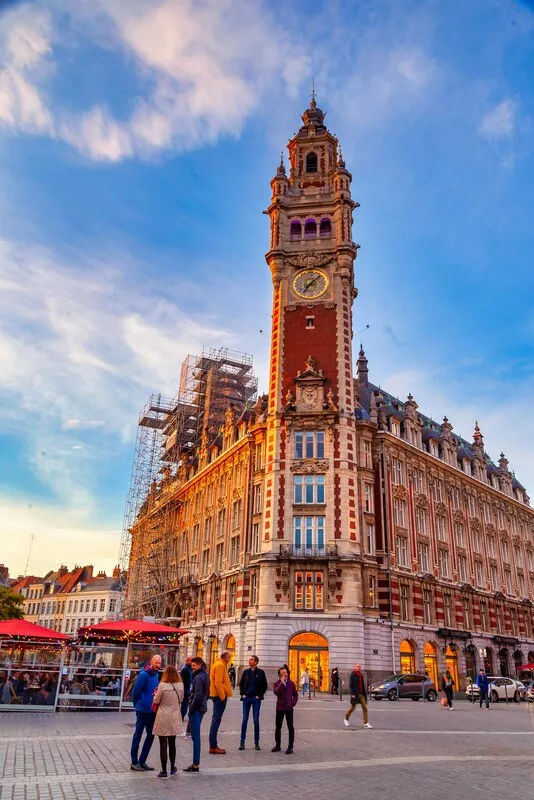
Buildings surrounding the square showcase various architectural styles. The Théâtre du Nord occupies a former guard house with distinctive clock tower. The Rang du Beauregard features elegant 17th-century Flemish houses. Modern buildings integrate thoughtfully, maintaining the square's architectural coherence while accommodating contemporary needs.
Palais des Beaux-Arts: France's Second Museum
The Palais des Beaux-Arts ranks as France's largest fine arts museum outside Paris, yet remains blissfully uncrowded compared to the Louvre or Orsay. This magnificent 19th-century building houses extraordinary collections spanning European art from antiquity through the 20th century.

The museum's Rubens collection proves particularly strong, reflecting Flemish connections. Works by Rembrandt, Van Dyck, Delacroix, Courbet, and Monet fill gallery after gallery. The sculpture collection, displayed in atmospheric basement spaces, includes works by Rodin and Claudel. Goya's masterful paintings receive their own dedicated rooms.
The ceramics collection showcases Delftware, Sèvres porcelain, and regional pottery spanning centuries. The relief map collection in the basement displays incredibly detailed 3D topographical models of fortified French cities, created for military planning in the 17th-18th centuries. These enormous models—some covering entire rooms—represent artistic and strategic achievements rarely displayed elsewhere.
Free admission (except for temporary exhibitions) makes this world-class museum accessible to everyone. Plan at least three hours to appreciate the highlights, though serious art enthusiasts could spend entire days exploring the extensive collections. Visit the museum's official website for current exhibitions and visiting information.
LaM: Contemporary Art in the Suburbs
The Lille Métropole Museum of Modern, Contemporary and Outsider Art (LaM), located in the suburban park of Villeneuve d'Ascq, offers complete contrast to the classical Palais des Beaux-Arts. This striking modern building houses exceptional 20th and 21st-century collections that place Lille among Europe's contemporary art capitals.
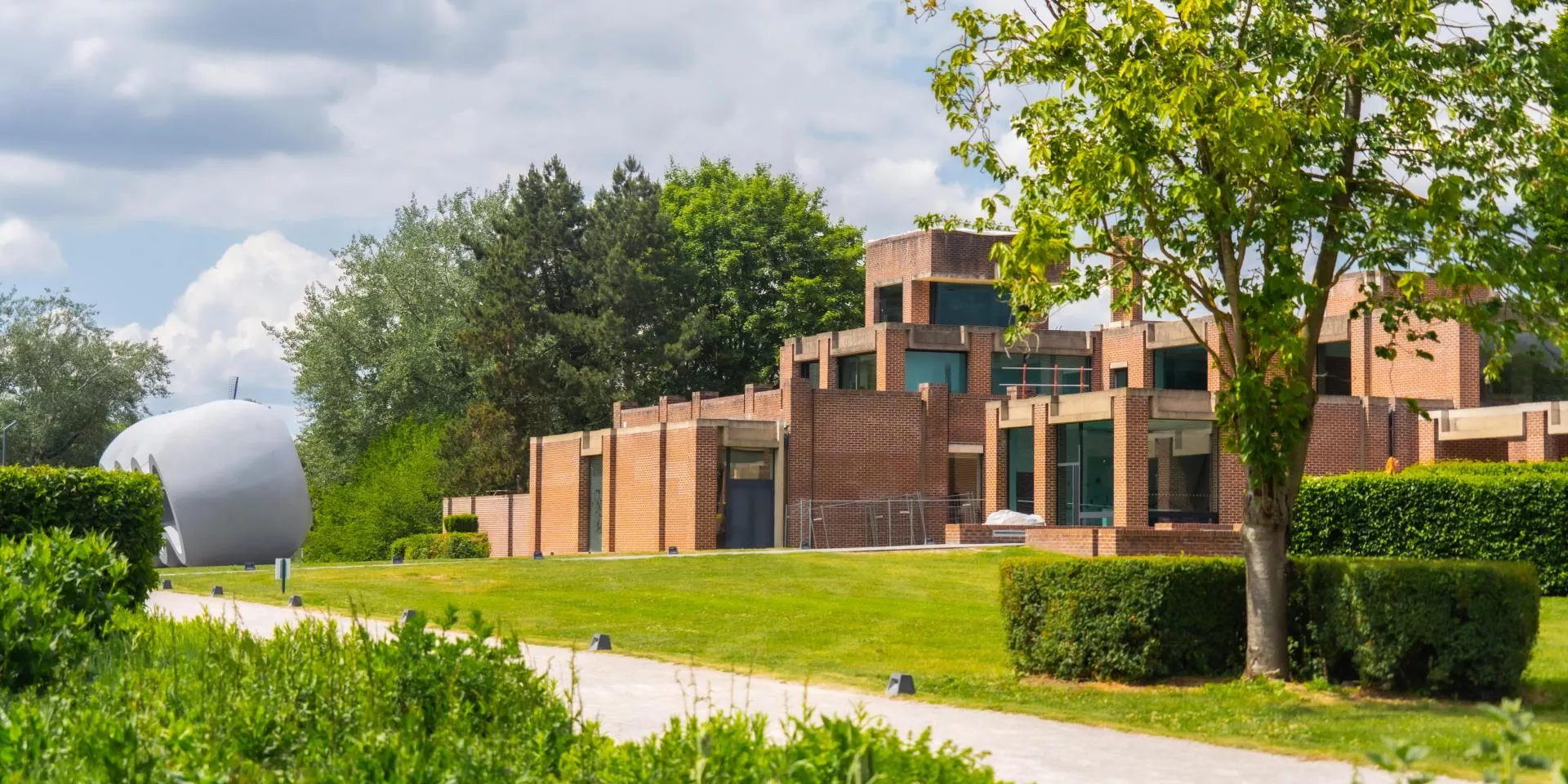
The museum's outsider art collection (art brut) represents one of the world's finest, donated by collector Jean Dubuffet. Works by self-taught artists, psychiatric patients, and visionaries create powerful alternative perspectives on creativity and expression. This collection alone justifies the 20-minute metro journey from city center.
Modern art holdings include Picasso, Braque, Miró, Modigliani, and Léger. The sculpture park surrounding the museum features works by Calder and other major artists, creating outdoor gallery spaces where art and nature interact. The contemporary collection continues growing through acquisitions and commissions by living artists.
The café-restaurant overlooks the sculpture park, providing pleasant spots for breaks between gallery visits. The museum shop offers excellent art books and design objects. Combined tickets with the Palais des Beaux-Arts provide good value for museum enthusiasts. Learn more at LaM's website.
The Citadel: Vauban's Masterpiece
The Citadelle de Lille, designed by military architect Vauban in the 17th century, represents the "Queen of Citadels"—a massive star-shaped fortress that remains one of Europe's finest examples of military architecture. Though still used by the French military (limiting public access to certain areas), the citadel and surrounding parkland offer fascinating exploration.

The 60-hectare Bois de la Citadelle (Citadel Woods) surrounding the fortress functions as Lille's largest urban park, popular with joggers, families, and picnickers. The park contains a zoo (admission free) housing over 70 species, making it perfect for families. Walking or cycling paths wind through wooded areas along the Deûle River, providing green respite minutes from the city center.
Guided tours of the citadel reveal its strategic design, underground passages, and historical significance. The fortress's perfectly preserved star shape, visible best from aerial photographs, demonstrates how mathematical precision and military necessity created unintended architectural beauty. The citadel successfully defended Lille for centuries, its sophisticated design making attacks prohibitively costly.
The Sunday antiques and flea market near the citadel entrance attracts collectors and browsers hunting for treasures among vintage furniture, old books, collectibles, and curiosities. This smaller cousin to September's massive Braderie offers authentic bargaining experiences year-round.
Culinary Traditions: Hearty and Honest
Lille's cuisine reflects its Flemish heritage and working-class roots, emphasizing generous portions, rich flavours, and ingredients that sustained labourers through cold northern winters. The result combines French technique with Flemish comfort food, creating a distinctive regional gastronomy.
Moules-frites (mussels and fries) reaches its zenith in Lille's traditional brasseries. Enormous pots of steamed mussels—prepared marinière (white wine, shallots, parsley), à la crème, or curry-spiced—arrive with mountains of crispy frites (french fries, though Belgians contest the name). This satisfying combination, washed down with local beer, defines northern French dining.
Carbonnade flamande, beef slow-braised in beer with onions and gingerbread, exemplifies regional comfort food. The beer's slight bitterness and gingerbread's subtle sweetness create complex sauce that transforms simple ingredients into sublime satisfaction. Served with frites or boiled potatoes, this winter staple appears on every traditional restaurant menu.
Welsh (pronounced "welch"), despite its British name, represents pure northern French invention—a rich beer-cheddar sauce poured over toast and ham, often topped with a fried egg. This indulgent creation, beloved by students and locals, originated in Lille taverns as hangover cure and stuck around for its delicious absurdity.
Potjevleesch showcases Flemish preservation traditions—a terrine of rabbit, chicken, veal, and pork in aspic, served cold with frites and salad. This regional specialty appears at traditional brasseries and local festivals, often prepared following family recipes passed through generations.
Gaufres (waffles) vary from Liège-style pearl sugar waffles sold at markets to Brussels-style rectangular waffles served with toppings. Speculoos cookies spiced with cinnamon, ginger, and cloves appear everywhere, reflecting connections to Belgian and Dutch traditions.
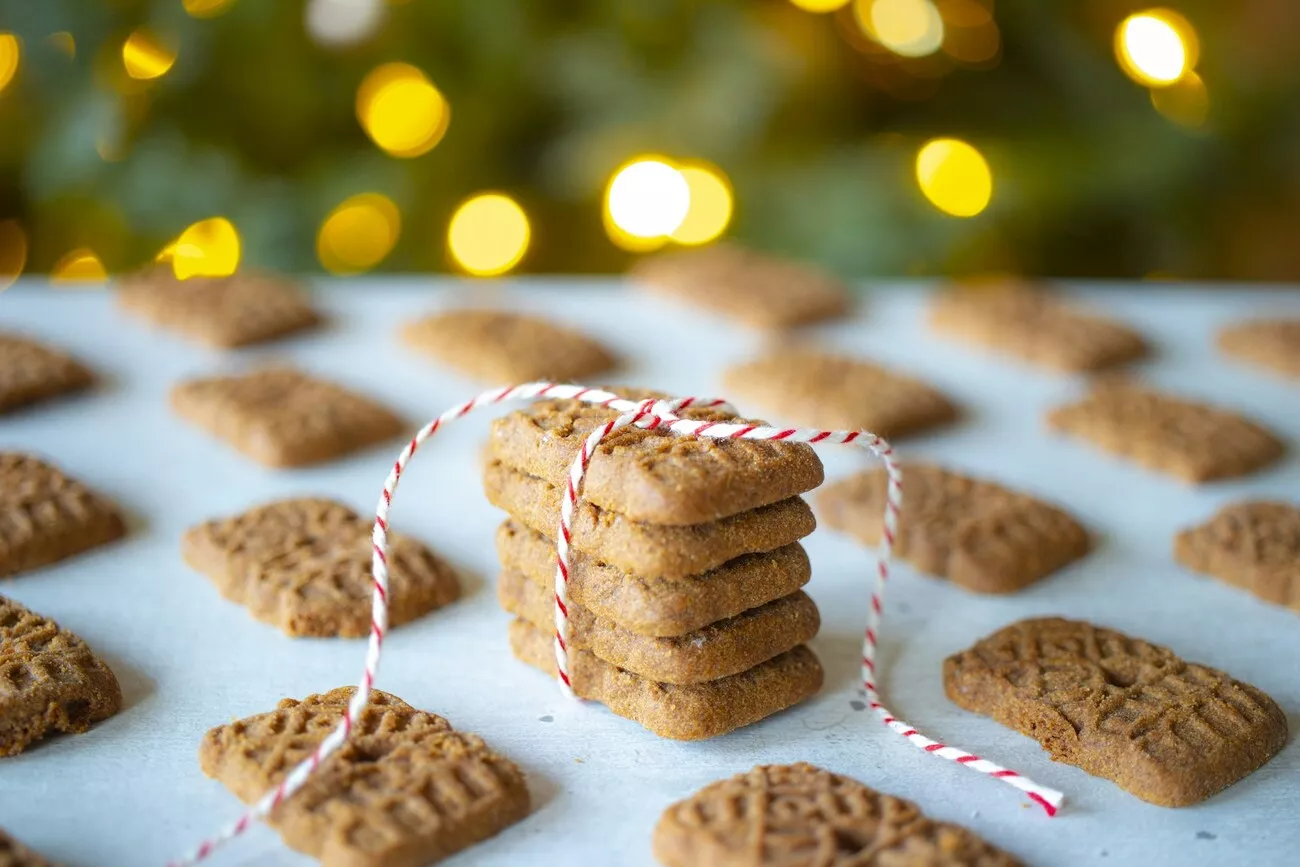
Beer culture rivals wine in importance. Local breweries produce distinctive northern beers—blondes, ambers, and strong abbey-style ales. Brasseries 3 Monts and Ch'ti represent regional favorites, though Belgian beers from nearby breweries also dominate taps and menus. For traditional dining experiences, visit classic establishments like Meert, famous for waffles since 1761.
The Braderie: Europe's Biggest Flea Market
Every first weekend of September, Lille hosts the Braderie de Lille—a massive flea market and street festival attracting over 2 million visitors for 48 hours of non-stop buying, selling, eating, and celebrating. This centuries-old tradition transforms the entire city into the world's largest garage sale.
[IMAGE: Braderie de Lille scene showing crowded streets lined with vendors selling antiques, vintage items, and collectibles, with mountains of mussel shells piled on sidewalks outside restaurants]
Over 200 kilometers of stalls fill every street, square, and sidewalk in the city center. Professional antique dealers display quality furniture and collectibles alongside amateurs selling household detritus. Bargaining represents essential tradition—prices marked are merely suggestions for negotiation opening.
The moules-frites tradition reaches peak absurdity during Braderie. Restaurants compete to create the largest piles of discarded mussel shells on sidewalks outside their establishments, the shells reaching window height by Sunday evening. Eating moules during Braderie represents participation in shared ritual as much as dining.
The atmosphere—chaotic, festive, exhausting—embodies Lille's friendly, unpretentious character. Live music fills squares, beer flows constantly, and strangers strike up conversations while examining vintage treasures. Hotels book months in advance, so plan accordingly. Those attending should wear comfortable shoes, bring cash for purchases, and surrender to the organized chaos. Check official Braderie information for dates and practical tips.
Wazemmes Market: Sunday Tradition
The Marché de Wazemmes, operating Sunday mornings in the working-class Wazemmes neighborhood, represents Lille's most authentic market experience. This sprawling affair fills streets around the covered market building with vendors selling everything imaginable—produce, cheese, flowers, clothing, housewares, North African spices, and hot food stalls.
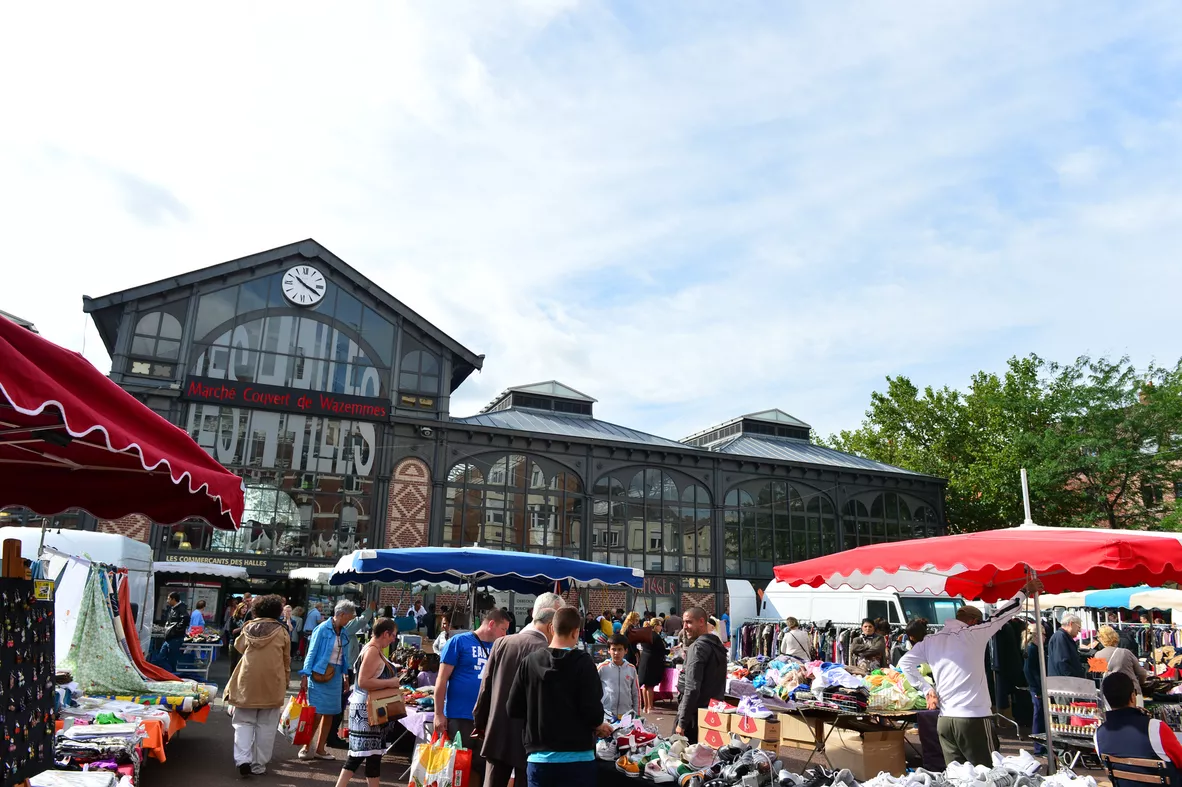
The market's multicultural character reflects Wazemmes' diverse population. North African vendors sell fresh mint, dates, and spices. Portuguese fishmongers offer salted cod and sardines. West African stalls feature plantains and yucca. This diversity creates market atmospheres rarely found in more homogeneous French cities.
Food stands serve rotisserie chicken, merguez sandwiches, paella, Vietnamese spring rolls, and countless other options. Locals eat standing at high tables, clutching paper plates and plastic cups of wine, engaged in animated conversations. The market's energy—loud, crowded, slightly chaotic—feels authentically working-class in the best possible way.
The covered market hall operates Tuesday through Sunday, housing permanent vendors selling meat, cheese, and specialty foods. The Sunday outdoor extension exponentially expands selection and atmosphere, transforming the entire neighbourhood into festive marketplace.
Transportation Hub Advantage
Lille's position as major transportation crossroads makes it remarkably accessible while serving as excellent base for exploring northern France, Belgium, and beyond. The city's connectivity transforms what might seem like remote northern location into strategic advantage.
The Gare Lille Europe and Gare Lille Flandres handle Eurostar, TGV, and regional trains connecting Lille to Paris (1 hour), Brussels (35 minutes), London (1 hour 20 minutes), and Amsterdam (under 3 hours). This connectivity enables easy day trips or makes Lille a convenient stopover between major European cities.
The metro system, though simple with only two lines, efficiently connects major attractions, neighbourhoods, and train stations. Buses extend reach to suburbs and surrounding towns. The entire system uses single ticket type, simplifying navigation for visitors. Stations feature distinctive 1980s design—curved concrete and bold colors—that has aged into retro charm.
Bicycle infrastructure includes V'Lille bike-sharing stations throughout the city center. The flat terrain makes cycling practical and pleasant for exploring beyond the compact historic core.
Day Trip Opportunities
Lille's position enables exploration of distinctive destinations that showcase northern France and Belgian heritage different from stereotypical French tourism.
Bruges (90 minutes by train) offers quintessential medieval Flemish beauty—canals, guild houses, and chocolate shops creating postcard perfection. The preserved medieval center, while touristy, genuinely enchants.
Ghent (1 hour) provides Flemish grandeur with fewer crowds than Bruges. The city's canal-side architecture, castle, and vibrant university atmosphere create rewarding day trips.
Arras (45 minutes) showcases magnificent Flemish baroque squares, underground tunnels (boves), and World War I history including the nearby Vimy Ridge memorial. The twin Grand Place and Place des Héros feature harmonious 17th-18th century architecture.
Cassel and other Flemish hill towns offer panoramic views across the flat northern landscape, historic windmills, and peaceful village atmospheres. Learn more about regional attractions through Hauts-de-France tourism.
The French battlefields and memorials of World War I lie within an hour—Vimy Ridge, Thiepval, the Somme trenches—providing sobering historical perspective on the region's traumatic 20th century.
Practical Visitor Information
Lille's compact historic center remains entirely walkable, with most attractions within 20 minutes on foot. The efficient public transportation system reaches outlying attractions and neighbourhoods comfortably.
Accommodation spans international chains to charming boutique hotels in converted historic buildings. L'Hermitage Gantois, occupying a restored 15th-century hospice, provides luxury accommodations with authentic historical atmosphere. Hôtel Barrière Lille offers contemporary comfort near stations. Numerous budget options serve students and budget travellers. Book through Lille's tourism website for current options.
Best visiting seasons include late spring (May-June) and early autumn (September-October) when weather remains pleasant without summer heat or winter cold. The Christmas markets (late November-December) transform squares with twinkling lights, wooden chalets, and festive atmosphere. Summer (July-August) offers warmest weather and outdoor festivals, though locals flee for vacation leaving the city quieter.
The Lille City Pass provides free public transportation, museum admission, and discounts at restaurants and attractions. Available for 24, 48, or 72 hours, the pass simplifies logistics while encouraging exploration beyond obvious tourist sites.
Restaurant reservations help at popular establishments, particularly weekend evenings. Traditional brasseries typically accommodate walk-ins, but smaller restaurants and trendy spots fill quickly.
Why Lille Surprises
Lille succeeds through authenticity and warmth often missing in more famous French cities. The Flemish influence creates welcoming atmosphere—locals chat with strangers, service workers smile genuinely, and the overall vibe feels more approachable than stereotypical French reserve.
.jpg)
The city balances historical preservation with contemporary vitality unusually well. Restored baroque buildings house modern businesses, students fill centuries-old cafés with animated discussions, and cultural programming rivals much larger cities. This dynamic equilibrium creates a city that honors its past while embracing its future.
Perhaps most appealing, Lille offers exceptional value compared to Paris or southern destinations. Quality hotels, restaurants, and attractions cost considerably less while maintaining high standards. Your euros stretch further without sacrificing experience quality.
The city's lack of pretension proves refreshing. This isn't a place trying to impress tourists with manufactured charm or inflated reputation. Lille simply exists as a real, working city that happens to possess beautiful architecture, world-class museums, excellent food, and friendly residents—qualities that create memorable travel experiences without conscious effort.
For travellers seeking authentic France beyond the usual destinations, Lille delivers surprises and satisfactions that linger long after departure. This northern gem proves that France's most rewarding cities don't always bask in Mediterranean sunshine or grace magazine covers—sometimes they wait quietly in the north, ready to charm visitors open to discovering the unexpected.