


French and based in Vancouver since 2014, Julien Mainguy is the co-founder of Best of France. Passionate about the cultural difference between Canada and Europe, he is leading numerous projects to create awareness, help people grow, and bring communities together.


There's something quietly magical about a place that has been healing people for over 150 years. Brides-les-Bains doesn't shout for attention—it doesn't need to. This thermal spa town in the Savoie region has built its reputation on something more enduring than trends: the therapeutic power of its natural mineral springs and the restorative embrace of the French Alps.
Just 30 kilometers from Albertville and nestled at 600 meters altitude in the Tarentaise Valley, Brides-les-Bains offers an experience that feels worlds away from the frantic pace of nearby mega-resorts like Courchevel and Méribel. Yet it's directly connected to those very slopes by gondola, giving visitors the rare combination of mountain adventure and spa town serenity in a single destination.
A Healing History
The story of Brides-les-Bains begins long before the first hotel was built. Local shepherds discovered the area's thermal springs centuries ago, noticing that their flocks seemed healthier after drinking from certain mountain streams. By the mid-19th century, the therapeutic properties of these sulfurous, bicarbonate-rich waters had attracted medical attention.
The official spa was founded in 1856, and word spread quickly among Europe's aristocracy and bourgeoisie. Soon, the town was welcoming visitors from across the continent seeking treatments for digestive ailments, metabolic disorders, and rheumatism. Grand hotels in the Belle Époque style sprang up along the main street, their ornate facades reflecting the optimism and elegance of the era.
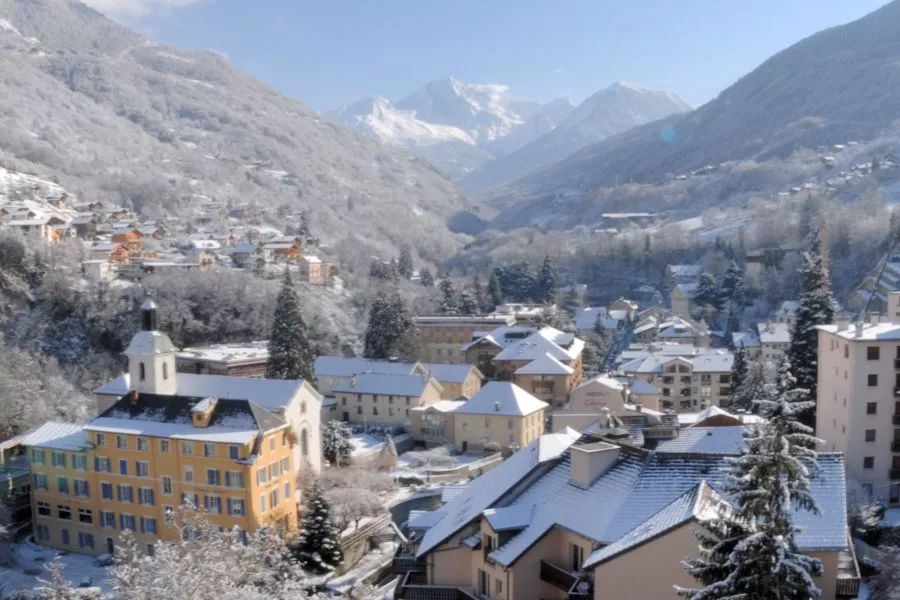
Unlike many thermal towns that declined in the 20th century, Brides-les-Bains evolved intelligently. It modernized its spa facilities while preserving its historic character, added winter sports access in the 1990s, and developed specialized programs for weight management and wellness that have made it a leader in therapeutic tourism.
The Thermal Springs: Nature's Pharmacy
What makes Brides-les-Bains special isn't just that it has thermal springs—it's the particular mineral composition of those waters. Emerging from the earth at temperatures between 30°C and 35°C, the springs contain sulfur, calcium, magnesium, and bicarbonate in concentrations that medical research has shown to benefit digestion, metabolism, and overall wellness.
The Grand Spa Thermal is the heart of the wellness experience. This isn't a luxurious day spa with candles and soft music—it's a serious medical facility where treatments are prescribed by doctors and often covered by French health insurance. That said, visitors from outside France can absolutely access the facilities for wellness-focused stays.
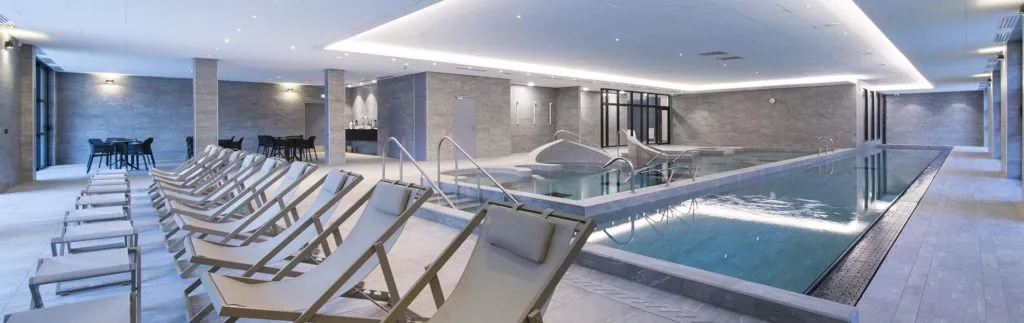
Treatments include hydromassage baths, underwater jets, thermal showers, and specialized digestive treatments. Many visitors come for three-week cures supervised by physicians, following structured programs that combine thermal treatments with guided nutrition, exercise, and lifestyle counseling. The results can be transformative—this is one of France's leading centers for medically supervised weight loss.
But you don't need a three-week commitment to benefit. Shorter wellness packages ranging from a weekend to a week offer scaled-down versions of the cure experience, perfect for travelers who want to understand what thermal therapy is all about while exploring the Alps.
Mountain Access Without the Altitude
Here's where Brides-les-Bains gets really clever. While the village sits at a comfortable 600 meters—low enough to avoid altitude issues and enjoy warmer temperatures—it's connected by gondola directly to Méribel and the Trois Vallées, the largest interconnected ski domain in the world.
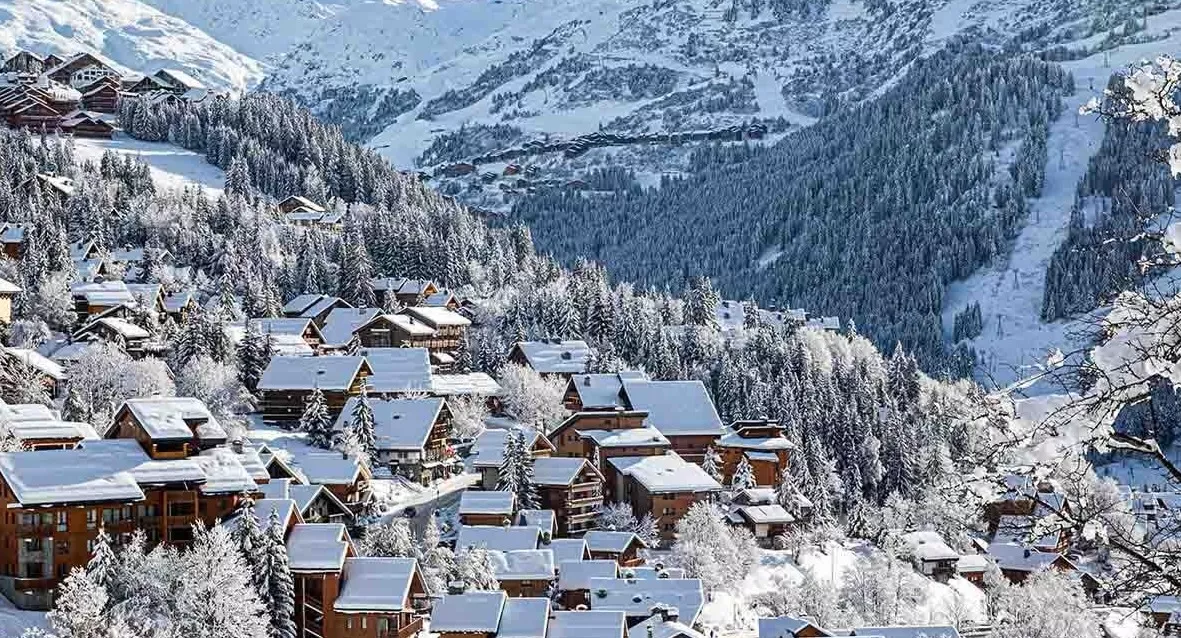
The Olympe gondola takes just 25 minutes to climb 1,500 vertical meters, depositing skiers and snowboarders at the heart of Méribel's slopes. In summer, the same lift provides access to hiking trails, mountain biking routes, and Alpine pastures where you can have lunch at rustic refuges.
This arrangement creates a perfect balance. You can spend your morning carving fresh powder or hiking through wildflower meadows, then return to the valley by early afternoon for spa treatments, a leisurely meal, and an evening stroll along the river. No altitude-induced insomnia, no overpriced resort village meals, no crowds—just the best of mountain and valley life.
The gondola ticket is significantly cheaper than a full Trois Vallées lift pass, making Brides-les-Bains an excellent budget-friendly base for accessing world-class skiing without paying world-class resort prices.
Belle Époque Architecture and Village Charm
Brides-les-Bains is compact enough to explore entirely on foot, which is precisely how it should be experienced. The Parc Thermal, a landscaped garden in the center of town, serves as the social heart of the village. Century-old trees shade the walkways, flowers bloom in careful arrangements, and an elegant kiosk hosts occasional concerts.
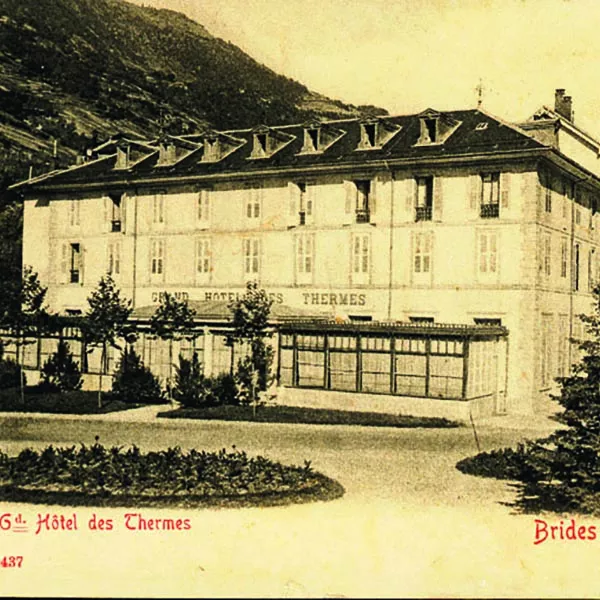
The architecture tells the story of the town's golden age. The Grand Hôtel des Thermes, with its neoclassical columns and ornate balconies, dominates one end of the main avenue. Smaller hotels like the Amélie and the Golf showcase the same attention to decorative detail—wrought-iron balconies, painted shutters in soft blues and greens, and front gardens bursting with geraniums.
What's remarkable is how well-preserved and well-maintained everything remains. There's no sense of faded glory here—the buildings are freshly painted, the gardens impeccably tended, and the overall atmosphere suggests a community that takes pride in its heritage while looking confidently toward the future.
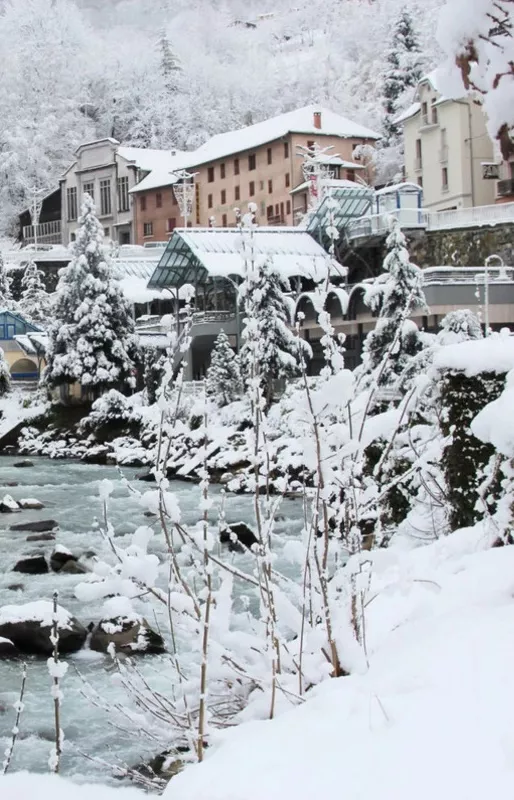
The Doron de Bozel river runs through the center of town, its rushing waters providing a constant, soothing soundtrack. Small bridges cross at intervals, and a riverside path offers a peaceful walk that takes you from one end of the village to the other in about 15 minutes.
Where to Stay
Grand Hôtel des Thermes
This is Brides-les-Bains' flagship property, and staying here feels like stepping into a more gracious era. The four-star hotel has been welcoming guests since 1864, and while it's been thoroughly modernized, it retains wonderful period details like high ceilings, ornate moldings, and a grand staircase.
Many rooms have balconies overlooking the mountains or the gardens. The in-house restaurant serves refined Savoyard cuisine with a lighter, health-conscious approach than you'll find in mountain restaurants. The hotel has direct access to the thermal spa and offers various package deals that include treatments.
Hôtel Amélie
For a more intimate experience, this three-star boutique hotel offers excellent value. The Amélie has 30 rooms, each decorated in a contemporary Alpine style that respects the building's historic bones. The wellness center includes a sauna, hammam, and treatment rooms, and the staff's personal attention sets it apart from larger properties.
The breakfast here is particularly noteworthy—fresh local breads, house-made jams, regional cheeses, and honey from nearby hives. It's the kind of meal that reminds you why French hospitality has such a strong reputation.
Hôtel Golf
Don't let the name confuse you—there's no golf course in Brides-les-Bains. The hotel takes its name from its position at the southern end of town, where the valley opens up. It's a comfortable three-star option with good-sized rooms, most with mountain views, and prices that leave budget for extra spa treatments or nice dinners.
The outdoor terrace is a lovely spot for an evening drink, and the hotel restaurant does solid traditional cooking. It's popular with long-term cure guests, which tells you something about its reliability and comfort.
[Image suggestion: Hotel terrace with mountain view, guests relaxing with drinks at sunset, Alpine peaks turning pink in the evening light]
The Culinary Scene
Savoyard cuisine is famously hearty—think melted cheese, cured meats, and potatoes in various forms. In Brides-les-Bains, you'll find these classics, but with a noticeable emphasis on lighter, healthier preparations that reflect the town's wellness focus.
Le Prieuré is the standout restaurant, occupying a beautiful stone building that was once part of a medieval monastery. Chef Laurent Azoulay creates dishes that honor local ingredients while demonstrating impressive technical skill. His saffron risotto with local mushrooms and his lavender-infused lamb are both exceptional.
For more casual dining, Le Tremplin offers generous salads, grilled fish, and lighter takes on mountain classics. Their terrace is perfect for lunch after a morning hike. La Vanoise serves traditional fondue and raclette—because sometimes you just need proper melted cheese, wellness town or not.
The town's weekly market on Friday mornings is a highlight. Local producers bring vegetables from the valley, cheeses from Alpine dairies, honey, jams, and cured meats. The quality is extraordinary, and prices are reasonable. If you're staying somewhere with a kitchenette, this is where you stock up.
Don't miss the local specialty: Beaufort cheese. This pressed Alpine cheese, with its complex, nutty flavor, is produced in chalets high in the mountains and aged in cool cellars. Ask for Beaufort d'Alpage, made from the milk of cows grazing on high summer pastures—it's the finest expression of the cheese.
Summer Activities
While Brides-les-Bains is known as a winter ski base, summer might actually be the best time to visit. The mountain trails accessed via the Olympe gondola range from easy walks through flower-filled meadows to challenging Alpine hikes that take you above the tree line.
The Tour des 3 Cols is a popular full-day hike that loops through three mountain passes, offering constantly changing views of the Vanoise massif. You'll pass through larch forests, cross mountain streams, and likely spot marmots sunning themselves on rocks. The trail is well-marked and moderately difficult—no technical climbing, but you need decent fitness.
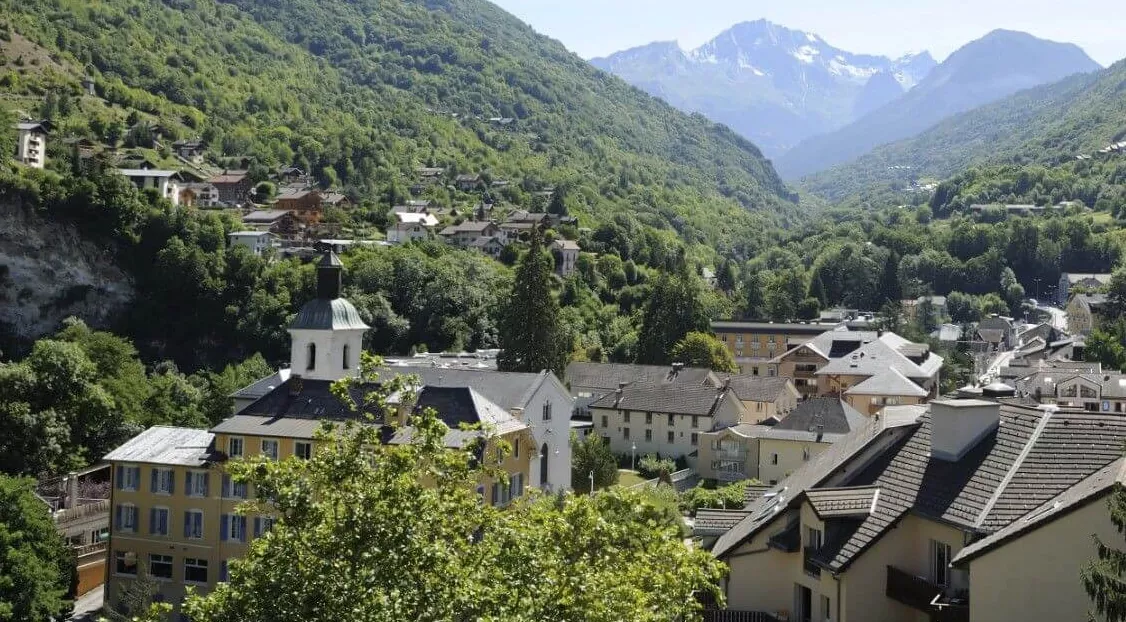
For something easier, the Sentier de l'Eau (Water Trail) follows the Doron de Bozel upstream from the village. It's essentially flat, shaded by trees, and perfect for an after-dinner walk. Information panels along the way explain the river's ecology and the history of the thermal springs.
Mountain biking is hugely popular, with both cross-country routes and downhill trails accessed via the gondola. Several shops in town rent bikes and offer guided rides for various skill levels. The Vanoise National Park, France's first national park, is nearby and offers pristine Alpine landscapes with excellent wildlife viewing opportunities.
Winter in the Valley
In winter, Brides-les-Bains transforms into a peaceful ski base with none of the noise and expense of high-altitude resorts. The morning gondola carries skiers up to Méribel's slopes, where they can access the entire Trois Vallées domain—600 kilometers of interconnected runs linking Courchevel, Méribel, Val Thorens, Les Menuires, and several smaller resorts.
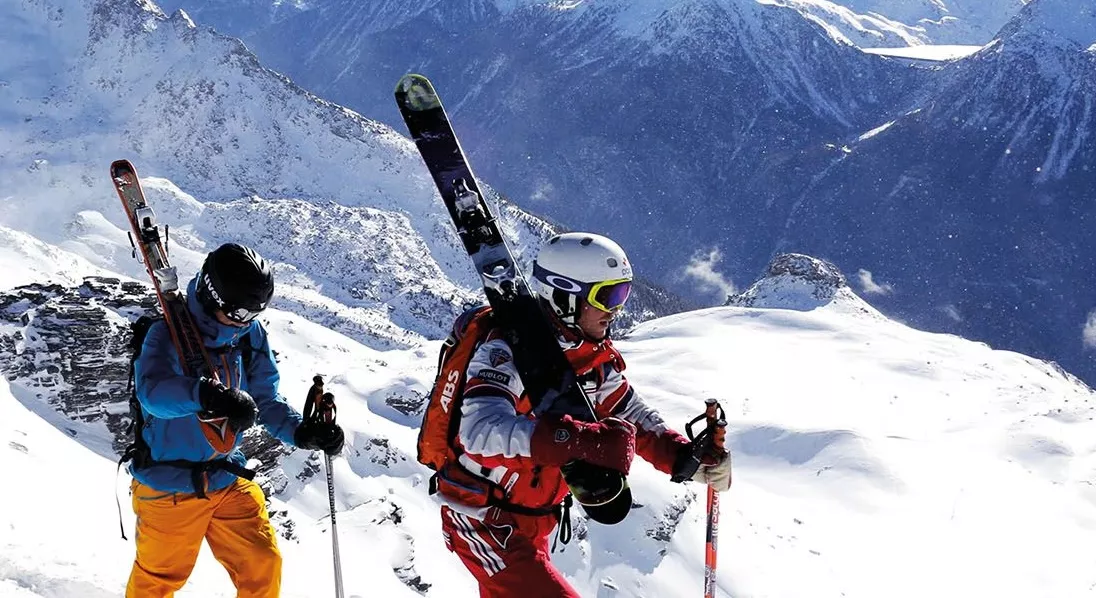
The advantage of staying down in the valley becomes obvious by late afternoon. While resort guests are dealing with crowds at the lifts and searching for parking, you've descended to the quiet village, changed into comfortable clothes, and you're soaking in thermal pools. The contrast couldn't be more stark.
Many visitors combine skiing with thermal treatments in a unique wellness-and-sport package. Imagine: a morning attacking moguls or cruising groomed runs, afternoon hydrotherapy and massage, evening fine dining. It's an approach to ski holidays that prioritizes recovery and well-being alongside athletic challenge.
Cross-country skiing trails start directly from the village, following the valley floor through forests and past frozen waterfalls. It's a gentler way to experience winter in the Alps, and the scenery is magical when fresh snow weighs down the pine branches.
The Weight Loss Program
It would be incomplete to write about Brides-les-Bains without addressing its specialty: the medically supervised weight loss and metabolic health program. This isn't a fad diet retreat—it's serious medical treatment that has been refined over decades.
The typical three-week cure combines thermal treatments, nutritional counselling, physical activity tailored to individual fitness levels, and psychological support. Participants learn to cook healthier meals, understand portion control, and develop sustainable exercise habits. The thermal treatments specifically target digestion and metabolism, potentially improving how the body processes nutrients.
Results are monitored by physicians and documented in medical records. Many participants return year after year for "maintenance cures," and the town has a remarkably loyal following among French people who've discovered what works for them here.
Even shorter stays incorporate elements of this philosophy. Five-day wellness breaks include medical consultations, thermal treatments, and nutrition workshops. It's an opportunity to reset habits and return home with practical tools for healthier living.
Practical Matters
Getting to Brides-les-Bains requires planning but isn't difficult. The nearest major airports are Geneva (about 120 kilometers) and Lyon (about 180 kilometers). Chambéry airport is closer but offers fewer international connections. Trains run regularly to Moûtiers-Salins-Brides-les-Bains station, with connections from Paris, Lyon, and Geneva.
If driving, the approach through the Tarentaise Valley is scenic, following the Isère river past vineyards and medieval villages. Winter driving requires proper tires—snow chains or winter tires are often mandatory from November through March.
The village itself needs no car. Everything is within walking distance, and most hotels are a five-minute stroll from the gondola station. This pedestrian scale is part of the charm—you're never rushing to find parking or navigate traffic.
Accommodations range from budget-friendly two-star hotels to luxury wellness resorts. Booking ahead is essential during school holiday periods—February for winter, July-August for summer. Shoulder seasons (April-May and September-October) offer the best deals and the most tranquil atmosphere.
Why This Valley Deserves Your Time
In an age of wellness tourism that often feels more about luxury branding than actual health, Brides-les-Bains offers something increasingly rare: authenticity rooted in medical tradition and natural resources. The thermal springs work because of their mineral composition, full stop. The programs work because they're based on decades of clinical observation and refinement.
But beyond the treatments and the skiing, what makes Brides-les-Bains memorable is the quality of the experience itself. It's a place where you can slow down, where the rhythm of the day is dictated by treatment schedules and meal times rather than frantic activity. The mountains provide grandeur and perspective. The Belle Époque architecture creates an atmosphere of timeless elegance. The village scale ensures you'll recognize faces after a day or two.
You might come for the spa treatments or the ski access, but you'll leave with something more valuable: a sense of what balance actually feels like. In our overscheduled, hyperconnected lives, finding a place that actively encourages rest, reflection, and restoration is genuinely precious.
Brides-les-Bains has been quietly perfecting the art of helping people feel better for 170 years. In a world obsessed with the new and trendy, there's something deeply reassuring about that kind of continuity. The springs that healed shepherds' flocks centuries ago are still flowing. The valley that sheltered medieval travellers still offers refuge. And visitors still leave feeling renewed.
Sometimes the best discoveries aren't about finding something no one knows about—they're about finding something that has been patiently excellent all along.