
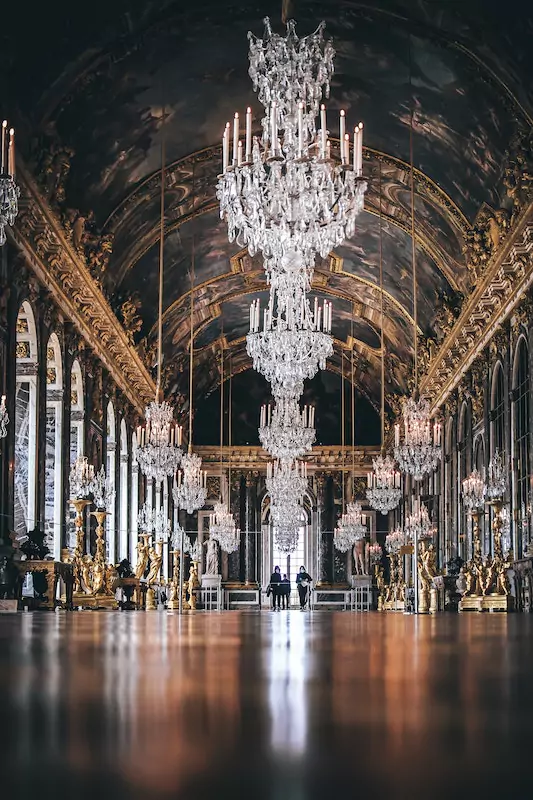

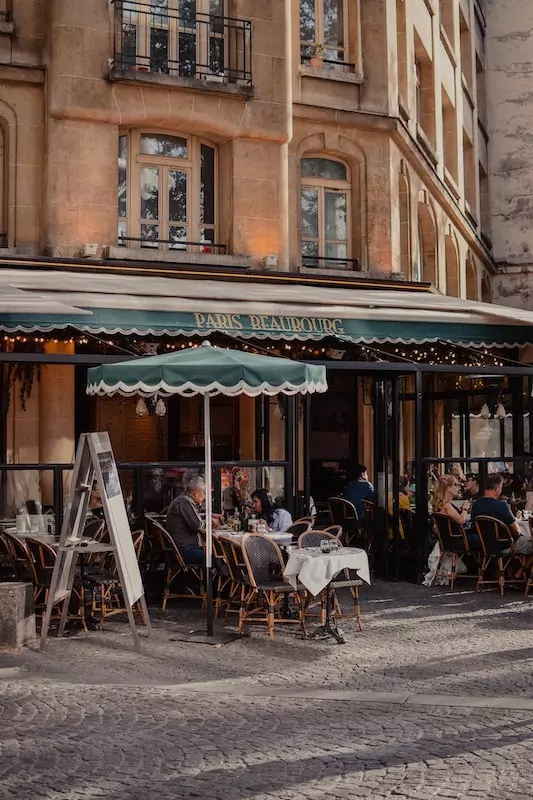



Walk into a Paris apartment that looks effortless and you will usually find a Louis XV chest of drawers under a cheap paper lantern, a flea-market mirror leaning against the wall instead of hung, and a sofa nobody has replaced in twenty years. None of it matches, and that is the point. French interiors look unplanned because they are assembled slowly, one found object at a time, around the way people actually live. Here are six habits behind that look, and how to bring them into a Canadian home.
1. Mix eras on purpose
The French habit is to put a modern chair next to an 18th-century commode, or hang a sharp contemporary light over carved wood panelling. The interest comes from the contrast between periods, not from any one piece.
If you are not sure where to start, pick one anchor piece, an old sofa, a dining table, an armoire, and build around it. Then add one thing from a different decade and see what happens. Pieces that should not work together often make the room.
The best mix includes things with a personal history. A grandmother's sideboard or a set of plates from your parents' kitchen gives a room a past that no catalogue can sell you. Use family pieces first, then fill the gaps.

2. Leave it a little imperfect
A French room should never look staged. Instead of buying everything new, choose used furniture in good condition, even if the paint is faded or the leather worn. Hang family photos next to a framed poster of a place you love. Leave a stack of books on the floor if the shelves are full.
Don't worry too much about how every piece fits. Get the proportions right, keep only what you like, and the style will come through trial and error.

3. Let colour tie the styles together
The French love an all-white room, but colour is also how they make old and new sit together. A room might hold a 1950s armchair, a Napoleon III mirror and a modern rug; two or three strong colours repeated across them make the whole thing feel deliberate. Remember one rule: colour connects the styles.
Pick a deep green, an ochre or a faded blue and repeat it three times, in a cushion, a vase and a picture frame. What French decorators avoid is not boldness but predictability: a room where everything comes from the same store in the same season.
4. Ignore the trend cycle
"Plus ça change, plus c'est la même chose": the more things change, the more they stay the same. Rather than replacing furniture each time the magazines move on, update a room slowly and keep its character.
The French have a verb for how they do it: chiner, to hunt for second-hand finds at flea markets, brocantes and vide-greniers, the village car-boot sales held on summer weekends. Hunting second-hand is cheaper, keeps furniture out of landfill and gives you pieces nobody else has. In Canada, the same hunt works at estate sales, antique malls and online marketplaces; in Québec, look for the summer ventes de garage.
5. Decorate for the way you live
A French interior looks effortless because it is built around daily habits: a chair by the window where someone actually reads, a table big enough for long lunches, open shelves for the things brought home from trips. Decide what each room is for before you buy anything for it.
Keep the furniture simple and let your own objects do the decorating. A room that reflects how you spend your days will feel more French than one copied from a picture, because that is how the French arrive at it themselves.

6. Keep it practical
French rooms rarely put form ahead of function. Clear paths between rooms matter more than one more side table, and a mirror is placed where it bounces light down a dark hallway, not just where it looks good.
Use the space you already have instead of adding storage. Potted plants on a low bench soften a corner and the bench doubles as a shelf. A staircase wall can carry a whole gallery of frames, postcards and small souvenirs. A wide windowsill becomes a reading seat with one cushion.
Start with one room and one find: an old mirror, a chair with a story, a framed print of a French town you have walked through. For wall art, browse our illustrations of France's monuments, and for the thinking behind the look, read our introduction to French art de vivre. You will find more French culture in our Dream section, and you can sign up for the Best of France newsletter to get new stories in your inbox.


French and based in Vancouver since 2014, Julien Mainguy is the co-founder of Best of France. Passionate about the cultural difference between Canada and Europe, he is leading numerous projects to create awareness, help people grow, and bring communities together.